
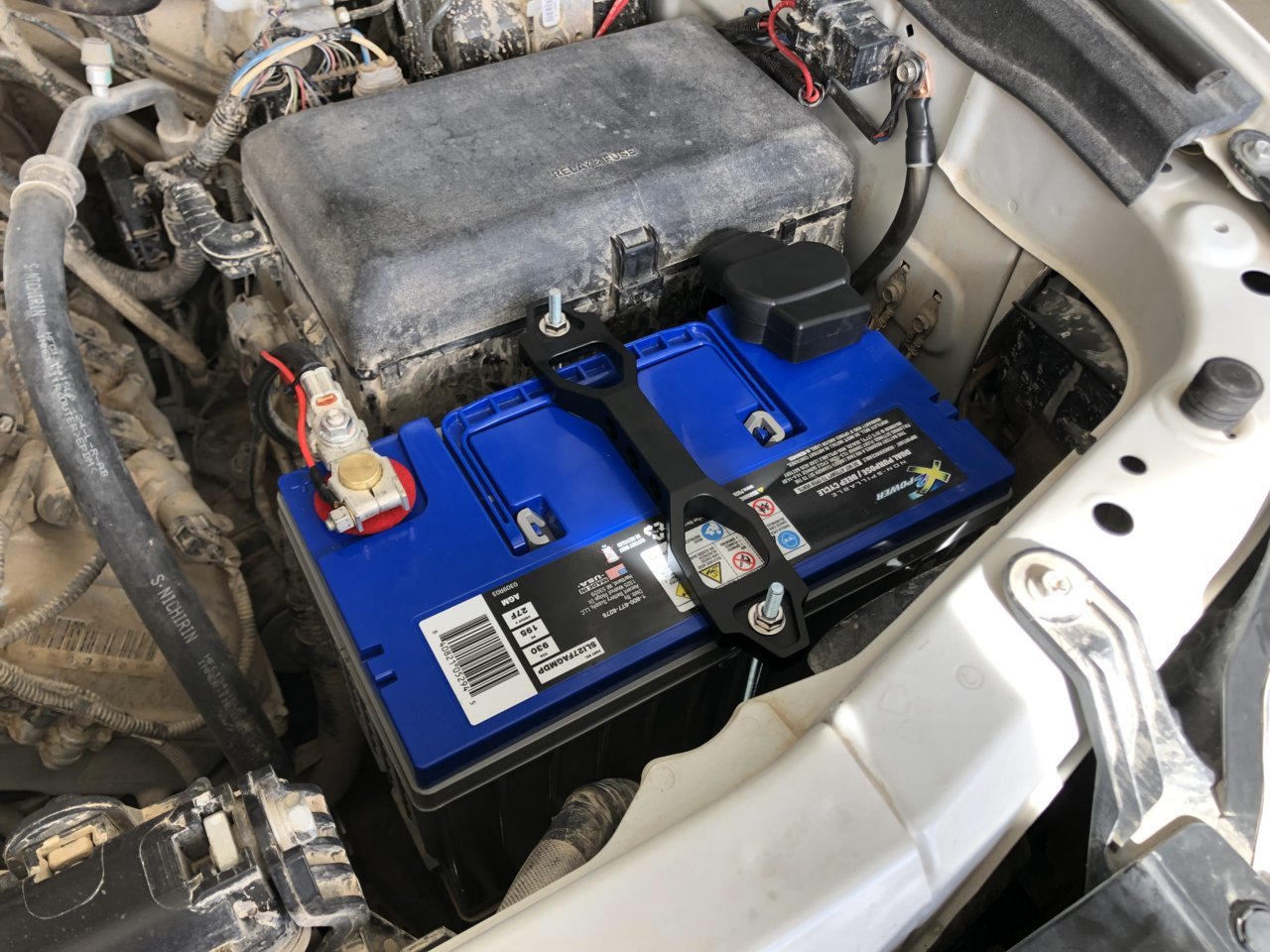
Car Battery Registration After Replacement, Explained
Replacing a car battery may seem straightforward, but some modern vehicles require an additional step known as battery registration, battery reset or battery coding. This process informs the vehicle’s energy-management system that a new battery has been installed.
Battery registration is not required for every vehicle. However, many modern vehicles with advanced electrical systems, stop-start technology or battery monitoring systems may require it after a battery replacement. The correct process depends on the vehicle make, model, year and battery specification.
What Is Battery Registration?
Battery registration is an electronic service performed using suitable diagnostic equipment. It records that a new battery has been fitted and may update relevant battery information in the vehicle’s control system.
The vehicle may use this information to manage charging and electrical demand more accurately. The exact functions and requirements vary by manufacturer, so the technician should follow the correct procedure for the specific vehicle.
Why Is Battery Registration Important?
Over time, a vehicle’s battery-management system can adapt to the condition and age of the old battery. When a new battery is installed, registration may help the system recognise the replacement correctly.
In vehicles that require it, failing to register a new battery may contribute to charging issues, reduced battery performance, warning messages or inconsistent operation of some electrical features. These symptoms can vary depending on the vehicle and should be professionally diagnosed.
Which Vehicles May Need Battery Registration?
Battery registration is commonly associated with some European luxury vehicles and other modern vehicles fitted with intelligent battery sensors or energy-management systems. It is often relevant for vehicles with features such as:
- Automatic stop-start systems
- Battery monitoring sensors
- High electrical loads and multiple electronic control units
- Advanced comfort, safety and infotainment systems
- Absorbent Glass Mat (AGM) or Enhanced Flooded Battery (EFB) technology
The best way to confirm whether your vehicle needs battery registration is to consult the owner’s manual or speak with a qualified automotive diagnostic technician.
Use the Correct Battery Type
It is important to install a battery with the correct voltage, size, terminal layout, capacity and starting specification for your vehicle. Where required, the battery technology should also match the manufacturer’s recommendation.
Replacing an AGM or EFB battery with an unsuitable alternative may affect system performance. Always confirm the exact battery specification before purchase and installation.
Signs You May Need a Battery Check
- Battery or charging-system warning lights
- Slow engine cranking or difficult starting
- Stop-start system not operating as expected
- Electrical accessories behaving inconsistently
- Recent battery replacement with new warning messages
These signs do not always mean that battery registration is the issue. A proper diagnostic check can assess the battery, alternator, electrical connections and stored fault codes before repairs are recommended.
Battery Registration in Accra, Ghana
DMT MATE Auto Diagnostics provides vehicle battery checks, charging-system diagnostics and battery registration support for eligible modern vehicles in Accra, Ghana. Our team can help confirm the correct battery specification and determine whether registration is required for your vehicle.
Contact DMT MATE Auto Diagnostics with your vehicle make, model, year and battery details to request a professional assessment.